Picky Eating in Children: How a Pediatric Dietitian Assesses Intake, and What Nectar Changes in Her Practice
Food neophobia, refusal, oral feeding disorders: a dietitian specializing in pediatrics explains how she assesses her young patients' intake, and the time Nectar saves her.

Picky Eating in Children: How a Pediatric Dietitian Assesses Intake, and What Nectar Changes in Her Practice
Food neophobia, refusal, oral feeding disorders: for this dietitian specializing in pediatrics, selective eating accounts for almost her entire caseload. She described how she assesses her young patients' intake, what weighs on her in this work, and what she was looking for in a tool. She now uses Nectar: she found in it the promise that convinced her to talk to us, and she sees the time it saves.
A caseload centered on selective eating
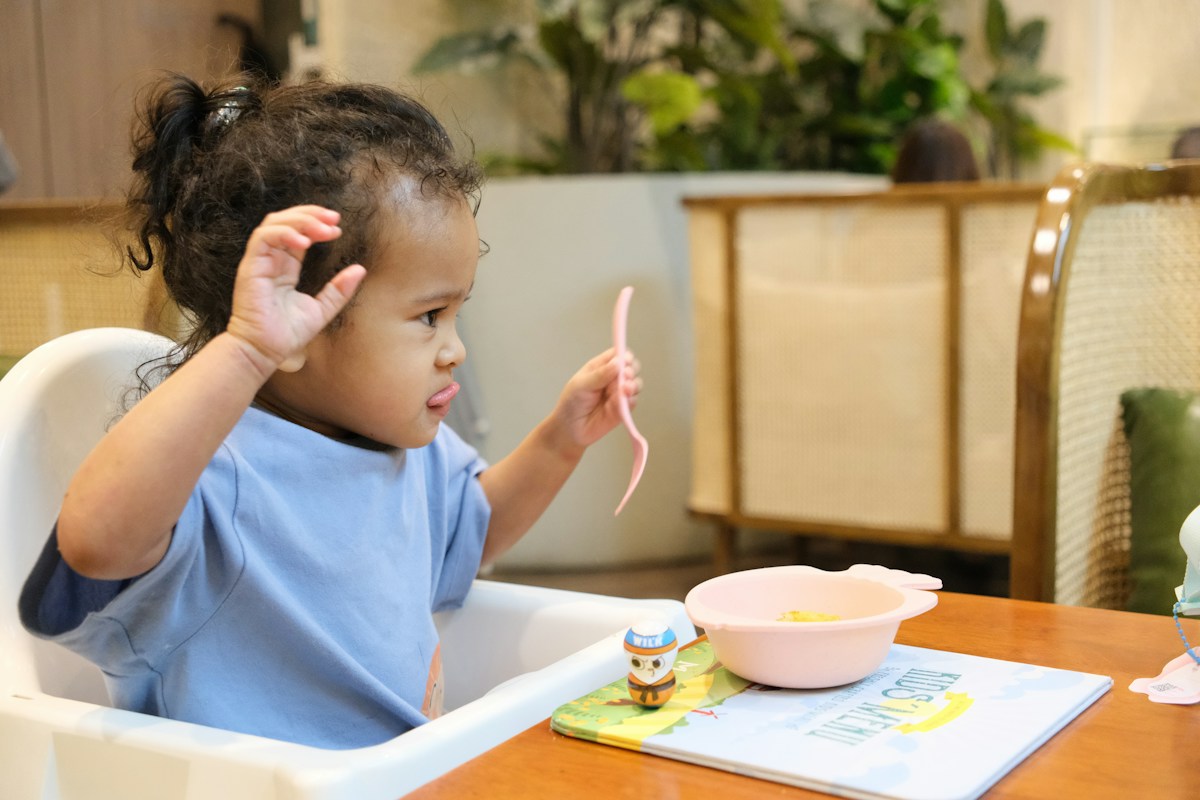
She only sees children and teenagers, aged 1 to 17, with a focus on 2 to 6 year olds. Selective eating in the broad sense, food neophobia, refusal, oral feeding disorders, accounts for "not to say 90%" of her cases, in her own words.
She works almost exclusively with parents. Asked about their involvement, she explains that she already does a lot to engage them, and that it is "really, really appreciated". With a background in micronutrition, she makes it a core part of her assessment.
What the assessment needs to establish
With a child who eats only a few different foods, she watches for two things: the risk of undernutrition and possible micronutrient shortfalls. To spot them, you need to know what the child actually eats, including the store-bought products and the oral nutritional supplements she regularly uses.
The food diary: reliable, but heavy for everyone
Her method relies on a food diary. She gives parents a document explaining that everything must be weighed, both what is served and what is eaten, because "sometimes they serve 100 g of pasta and the child only eats 30 g". The result is "actually pretty reliable, because it's weighed".
But the exercise is a burden on families. And for her, it is "an absolute nightmare". Parents, she says, find it a chore "most of the time, which I completely understand".
Her answer is educational: "I fine-tune my explanation a lot", and it is getting better. The quality of the diary depends as much on how it is explained as on how it is filled in.
The real cost: calculation time
Once the diary is filled in, the intake has to be calculated. She had tried several tools ("I juggle between several tools, I've pretty much tried them all"), worked mostly in spreadsheets and had automated what she could. What remained: "it takes a lot of time".
She loves this work ("I love doing it"), but she said it plainly: "I'm reaching my limits".
What she was looking for
She wanted a single place for the child's file, messaging and lab results ("one tool that keeps track of all of it"). She also wanted a fast assessment based on what the child actually eats, infant products and oral nutritional supplements included, and a "complete" report where she chooses the nutrients: usually ten or fifteen of them, not all.
What Nectar gives her
In Nectar, diary quantities are suggested by default as real portions, a slice, a tray, and parents can always enter grams when they weigh. A photo analysis, which the practitioner can turn on or off, suggests foods to confirm. Infant products and oral nutritional supplements are found by barcode scan, with their macro and micronutrient composition, and a missing product is added to the database within minutes.
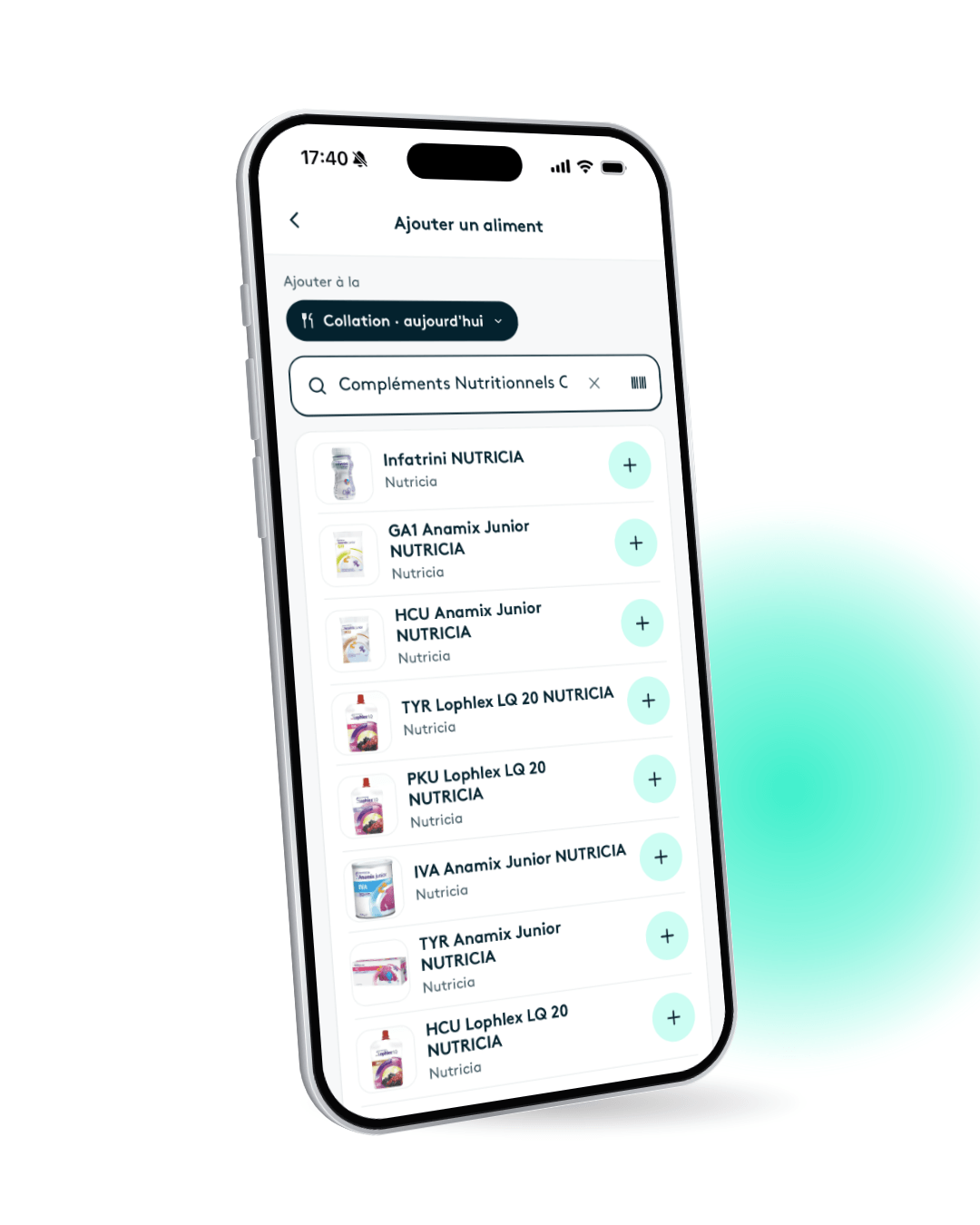
Store-bought products from children's ranges are in the Nectar database.
The nutritional assessment takes one click, day by day or over the chosen period: calories, macronutrients, vitamins, minerals, fatty acids and amino acids. For a child, the pediatric nutrition module turns on automatically, with age-appropriate targets the practitioner can adjust, and growth curves. For the report, she builds her own sections, keeps only the nutrients she cares about and saves her layout as a template to reuse from one patient to the next. Patient file, questionnaires sent to the mobile app, messaging and lab results all live in the same place.
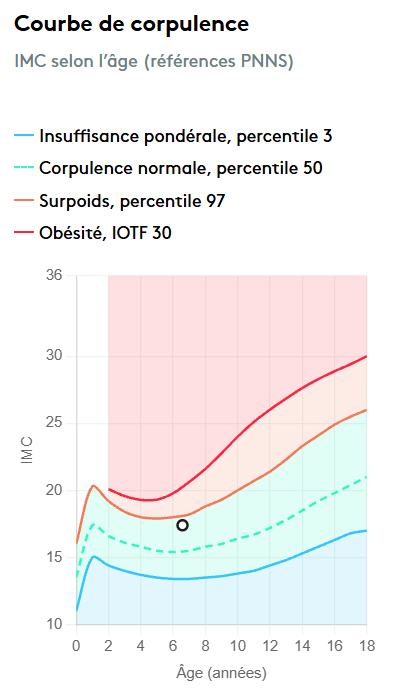
Nectar's pediatric module includes the IOTF and PNNS BMI-for-age curves.
During the demo, she summed it up: "it's everything I'm looking for in a tool".
Since she started using it
She is now a user. In practice, she has seen the benefits of the tool and the time saved, and she finds in it the promise that led her to book that call. What weighed on her, calculating intake, no longer eats into her consultation time. She makes a precise dietary diagnosis and offers care that is all the more relevant and personalized. So she can focus on what she loves: supporting children and their parents.
In this profession, the practitioner remains the one who interprets. The tool measures, and frees up time for the support itself.
Ready to keep your patients engaged?
Join the dietitians who stay connected with their patients between consultations.
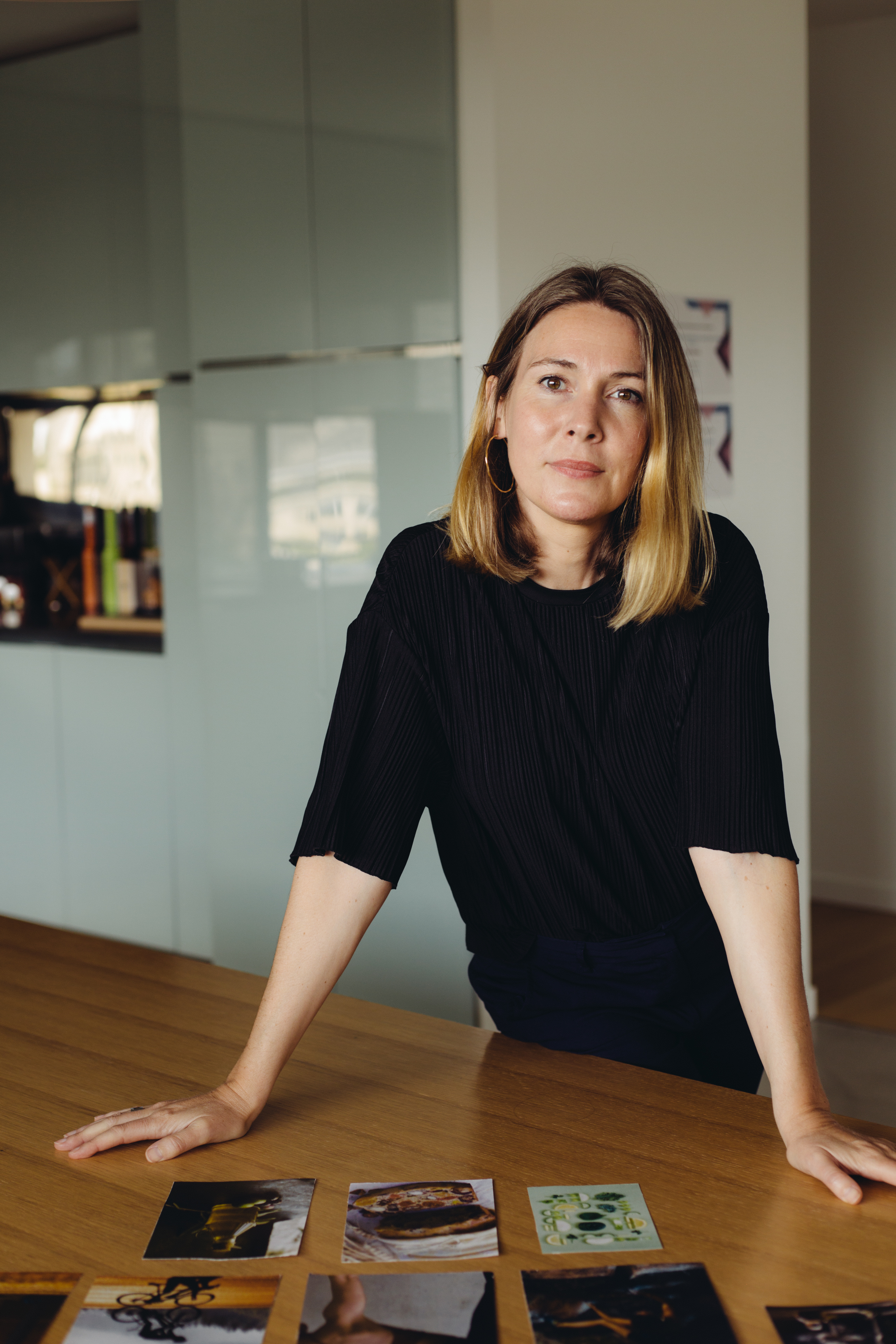


Join Julie, Solène, Mattias, Corrie and all the dietitians who use Nectar every day.