Eating Disorders and Micronutrition: How Nectar Helps Corrie See What Psychology Alone Cannot
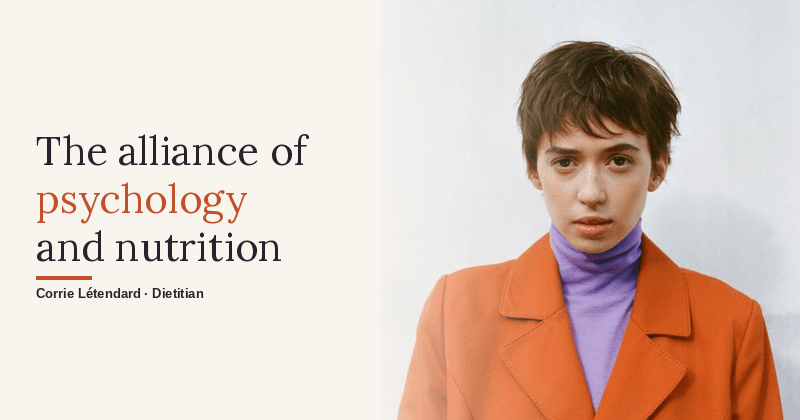
Corrie Létendard, a dietitian specializing in eating disorders, explains how Nectar's micronutritional analysis reveals deficits that a purely psychological approach would miss.
Eating Disorders and Micronutrition: How Nectar Helps Corrie See What Psychology Alone Cannot
In the treatment of eating disorders, a persistent misconception remains: that diet is the symptom, not the cause. That the emotional and psychological dimension dominates everything else. Corrie Létendard doesn't agree, or rather, she believes the reality is far more complex.
Her clinical journey illustrates something few practitioners dare state clearly: micronutritional deficits can maintain, aggravate, or even trigger psychological states that resemble psychiatric disorders, and Nectar allows her to demonstrate this, backed by data.
An Atypical Profile, an Integrative Vision
Corrie works across multiple settings: a nutrition and rehabilitation center, a somatopsychological unit for adolescents, school catering, and in private practice with a psycho-emotional approach.
Her vision is integrative: diet, emotion, and psychology are deeply interconnected. What led her to specialize in eating disorders was precisely this conviction that the two dimensions cannot be separated.
"What I'm passionate about is the connection between the psychological, the emotional and food. People often think food is the problem... actually, it's the consequence of a story. And I love going in search of that story." (Corrie Létendard)
The Case That Changed Everything
To understand why Corrie uses Nectar in her eating disorder practice, you need to hear this story.
A patient comes to consultation. Completely depressed, no energy, anorexic. The referring physician diagnoses depression. Psychological treatment is initiated, but symptoms don't really improve.
With Nectar, Corrie analyzes the patient's micronutritional intake in detail. What she discovers changes the clinical picture: severe iron deficiency, marked magnesium deficit. Deficiencies that, at this level, produce exactly the observed symptoms: profound fatigue, depressive mood, apathy.
"The doctor said 'it's depression.' With Nectar, we saw the iron and magnesium deficits… And I was able to tell the patient: 'You're not crazy, there's an explanation, there's a connection.'" (Corrie Létendard)
That phrase, "you're not crazy," is perhaps the most important a practitioner can say to a patient with an eating disorder. It changes everything about the therapeutic dynamic.
Why the Two Approaches Complement Each Other
One of the ideas Corrie wants to dismantle is the false opposition between emotional and nutritional approaches in eating disorders.
Corrie's approach, aided by Nectar, works in two stages. First, ensure all essential nutritional inputs are covered, so deficits don't interfere with the emotional work. Then, once nutrition is no longer a confounding factor, focus fully on the psychological and behavioral dimensions.
This sequence is clinically sound, and Nectar is the instrument of the first stage.
The Food Journal: A Tool for Therapeutic Alliance
In Corrie's practice with eating disorder patients, Nectar's food journal plays a role that goes well beyond simple data collection.
For a patient with an eating disorder, putting into words (or photos) what they eat is already a therapeutic act. It implies self-awareness, self-observation without immediate judgment.
For the practitioner, accessing this data allows seeing what the patient doesn't say: what they forget to mention, what they minimize, or what they don't perceive as significant themselves.
"Nectar strengthens the therapeutic alliance. Where we'd just have one consultation a month, we create a real daily connection with the patient." (Corrie Létendard)
What Changed in Practice
Before Nectar, Corrie incorporated micronutritional analysis mainly in cases of established pathology, with biological workups. This was time-consuming, costly, and not always accessible.
Since Nectar, she integrates it systematically, for all patients, from the first consultation. Not because she's looking for deficits at any cost, but because the information is there, reliable, accessible in a few clicks, and it can change the direction of the intervention.
"I get a lot of feedback from patients saying it's clearer for them, they know where they're headed. And I have the satisfaction of offering something genuinely grounded in data." (Corrie Létendard)
Nectar: The Ideal Tool for Transforming Dietary Follow-Up Into Partnership
"Nectar is the ideal tool for transforming classic dietary follow-up into a partnership with the patient, where ultimately, both parties understand what's happening and work together." (Corrie Létendard)
For dietitians working with complex profiles (eating disorders, mood disorders, psychologically vulnerable patients), Nectar offers something rare: clinical rigor that doesn't crush the human dimension of the relationship.
🚀 Like Corrie, ready to take the next step? Try Nectar free for 30 days (card required, no charge until trial ends). Or chat directly with Christophe, co-founder, for a personalized demo.
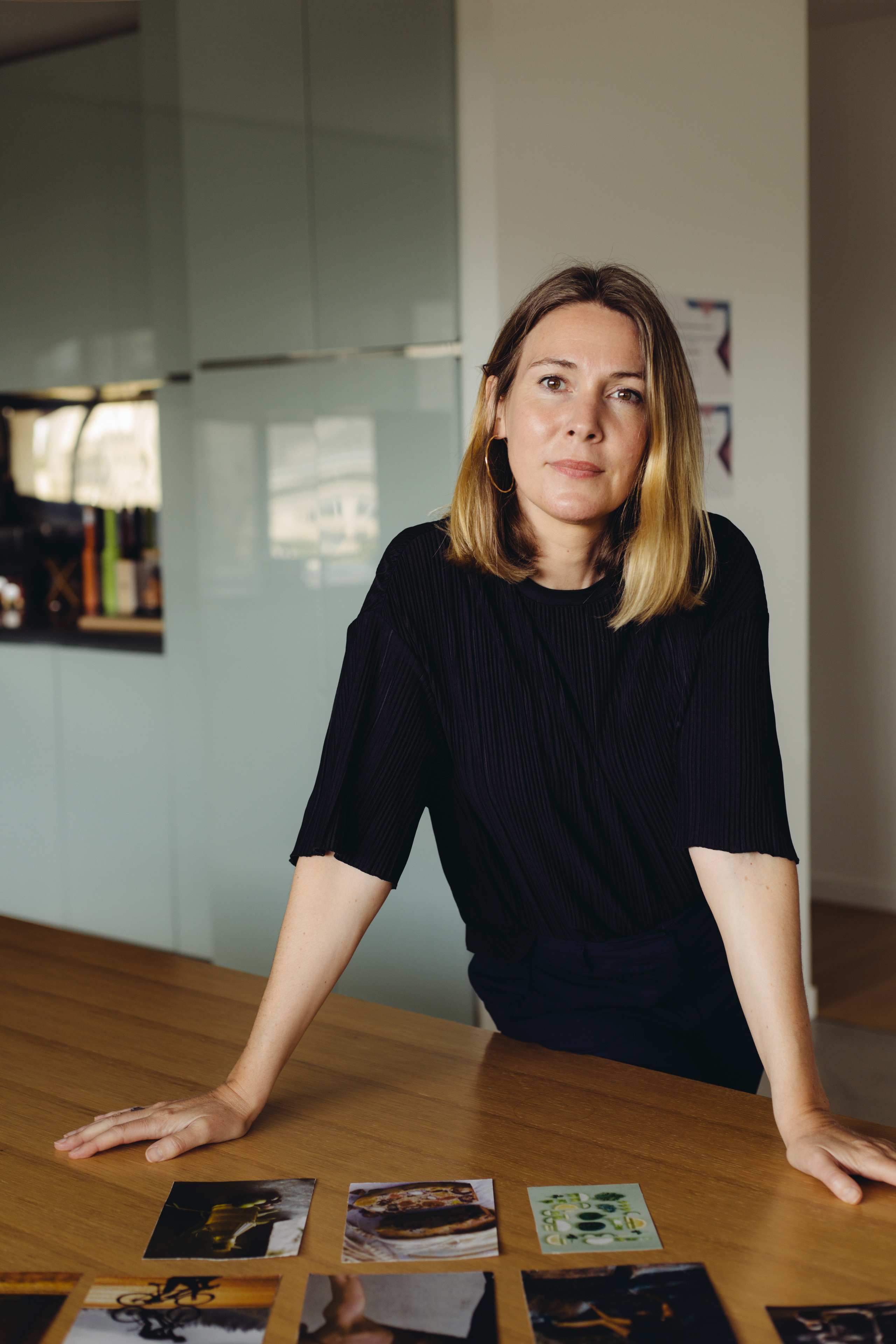
"I am a dietitian-nutritionist specializing in eating disorders. I support teenagers and adults toward a more peaceful relationship with food through a holistic, compassionate psycho-somatic approach."
Find Corrie on her website: corriediet.fr
Ready to keep your patients engaged?
Join the dietitians who stay connected with their patients between consultations.


Join Julie, Solène, Mattias, Corrie and all the dietitians who use Nectar every day.